
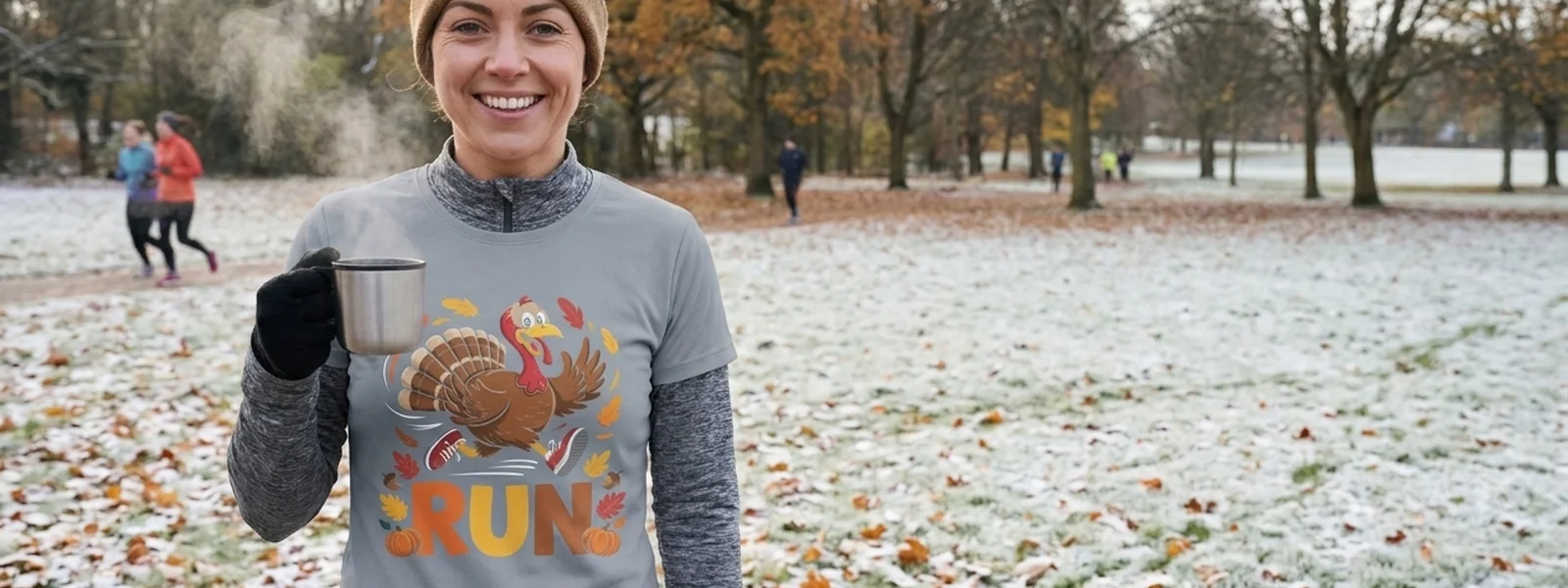
November's Chill: Average Temperatures Across the US on Thanksgiving
Ah, Thanksgiving morning. The smell of coffee brewing, the nervous energy humming, and that crisp chill in the air. For Trotters across all 50 states, the big question before pinning on that bib is always: How cold will it be at your Turkey Trot? The weather on Thanksgiving morning can be a wild card, swinging from surprisingly mild to downright frigid, and knowing what to expect is half the battle for a great race.
While the calendar says late November, the actual turkey trot weather can vary by as much as 50 degrees Fahrenheit from Miami to Minneapolis. This isn't just about comfort; it's about performance and safety. Running in unexpected cold or warmth without the right gear can throw off your pace, drain your energy, or even lead to hypothermia in extreme cases. Let's break down what Trotters typically face.
On average, the national temperature for Thanksgiving Day hovers around 40-45°F, but that's just an average. Think of it like your splits: some miles are faster, some are slower. Individual states and regions experience vastly different conditions. Early morning gun times, often before sunrise, mean temperatures can feel even colder than the official daytime high. This guide will help you prepare for whatever Mother Nature throws at your start line.
East Coast vs. West Coast: Expect the Unexpected
East Coast: A Mixed Bag of Brisk Air and Occasional Warm Fronts
From Maine to Florida, the East Coast is a mosaic of Thanksgiving morning forecasts. New England and the Mid-Atlantic states (think Boston, New York, Philadelphia) are almost guaranteed a truly chilly start. Temperatures often dip into the 20s or 30s, making cold weather running a necessity. You’ll see plenty of breath in the air, and a good pair of gloves might just be your best friend at mile one.
For these brisk mornings, our Turkey Trot Long Sleeves are a go-to. They offer that crucial first layer of warmth that can make all the difference when you're waiting for the gun to go off. Many Trotters will shed this layer after the first mile, but it's essential to start warm.
Further south, in the Carolinas, Georgia, and Florida, the situation can be much milder. While you might still get a crisp 40-50°F morning, it's not uncommon for temperatures to climb into the 60s by the time the last Trotter crosses the finish line. This calls for smart layering that can be easily adjusted. Humidity can also play a role, making cooler temps feel damp and bone-chilling, or warmer temps feel muggy.
West Coast: The Land of Mild Starts and Coastal Breezes
The West Coast, particularly California, often enjoys some of the most enviable thanksgiving morning forecast conditions for a Turkey Trot. San Diego, Los Angeles, and even parts of the Bay Area can see temperatures ranging from the low 50s to mid-60s. This means many Trotters can get away with just a lightweight tee or even a tank top if they run hot.
For those milder West Coast starts, a classic like our 5k On Turkey Day Running Turkey T-Shirt provides comfort and style without overheating. It’s perfect for those who want a race-themed tee that won't weigh them down.
However, don't get too complacent. The Pacific Northwest (think Seattle, Portland) can still deliver chilly, damp mornings, often with a chance of rain. Temperatures in the 30s or 40s are common, and the dampness makes it feel colder. A windbreaker or a light, water-resistant layer is a smart addition to your race-day bag for these regional turkey trot temps.
Mountain States and the Midwest: Prepare for Real Cold
Rocky Mountains: Altitude + November = Serious Chill
If your Turkey Trot takes place in the Mountain States (Colorado, Utah, Wyoming, Montana), you already know what's coming: cold. High altitudes amplify the chill, and temperatures in the 20s or even teens are not uncommon. Snow is a real possibility, adding an extra layer of challenge and beauty to the race. This region demands serious preparation for cold weather running.
Trotters here often start with multiple layers, including thermal base layers, a good running jacket, and warm accessories like hats and ear warmers. The dry air can sometimes make the cold feel less biting than a damp 30°F on the coast, but it still requires respect. Hydration is also key in dry, cold air, so don't forget your water bottle even if you don't feel thirsty.
Midwest: The True Test of a Trotter's Resolve
The Midwest (Illinois, Michigan, Wisconsin, Minnesota, etc.) is arguably where the toughest Turkey Trots are run, weather-wise. Freezing temperatures, often in the 20s or even single digits, are a frequent guest on Thanksgiving morning. Wind chill can be a brutal factor, making a 25°F day feel like 10°F. If you're tackling a Trot in this region, you're earning that pie before you even get to the start line.
A warm outer layer is non-negotiable here. Our Turkey Trot Hoodies are perfect for pre-race warmth and for pulling on right after you cross the finish line. They provide that much-needed insulation against the biting cold.
Many Midwestern Trotters opt for full winter running gear: insulated tights, technical long-sleeve shirts, vests, and wind-resistant jackets. Hand warmers tucked into gloves are a popular hack. The mental game is strong here – knowing you're dressed for success helps overcome the initial shock of the cold.
Layering Strategies for Every Forecast: From Mild to Freezing
No matter where you trot, the key to conquering the turkey trot weather is smart layering. It's about being able to adapt as your body warms up during the race or as the day brightens. Here's a general guide:
Mild (50°F+): Keep it Light and Breezy
If you're lucky enough to have a mild Thanksgiving morning, you don't need much. Think single layers and light fabrics. A short-sleeve performance tee is often enough, especially for those who generate a lot of heat while running.
- Top: Lightweight technical tee or even a performance tank top.
- Bottom: Running shorts or capris.
- Accessories: Sunglasses if it’s sunny, maybe a light cap.
For those truly warm races, check out our Turkey Trot Tank Tops. They're designed to keep you cool when the miles heat up.
Cool (40-49°F): The Classic Fall Race Outfit
This is the sweet spot for many Trotters. A light long-sleeve and shorts or capris are often perfect. You might feel a little chilly at the start, but you'll warm up quickly.
- Top: Long-sleeve technical tee or a light cotton blend.
- Bottom: Running shorts, capris, or lightweight tights.
- Accessories: Light gloves (optional, for the first mile), ear band.
Chilly (30-39°F): Time for Layers and Leg Coverage
Now we're getting into true cold weather running territory. You'll want full leg coverage and at least two layers on top. A vest can be a great addition to keep your core warm without overheating your arms.
- Top: Base layer (long-sleeve) + light jacket or vest.
- Bottom: Running tights or insulated leggings.
- Accessories: Gloves, hat or ear warmer.
Our Huffin & Puffin For Turkey Stuffin T-Shirt offers a great cotton-blend base layer option for those brisk mornings, perfect to layer under a jacket.
Cold (20-29°F): Bring the Heat
Below freezing means it's time to take layering seriously. You'll want warm, moisture-wicking fabrics close to your skin and a wind-resistant outer layer. Don't forget your extremities!
- Top: Thermal base layer + mid-layer (fleece or thicker long-sleeve) + wind-resistant jacket.
- Bottom: Insulated running tights or fleece-lined leggings.
- Accessories: Warm gloves or mittens, wool hat or balaclava, wool socks.
Freezing (Below 20°F): The Full Winter Kit
This is where the true grit of a Trotter shines. Every piece of gear should be designed for warmth and wind protection. Consider hand and foot warmers.
- Top: Thermal base layer + heavy mid-layer + insulated, windproof jacket.
- Bottom: Thermal tights + windproof outer pants (optional, for extreme cold).
- Accessories: Insulated gloves or mittens, balaclava or neck gaiter, thick wool socks, hand/foot warmers.
No matter the thanksgiving morning forecast, remember that the first mile will always feel the coldest. Your body will generate heat as you run, so resist the urge to overdress. A good rule of thumb is to dress as if it's 15-20 degrees warmer than the actual temperature. You want to feel slightly chilly when you step out the door.
For more tips on getting ready for race day, check out our article on Race-Day Morning: Your 90-Minute Pre-Trot Schedule. And if you're still figuring out what essentials to bring, don't miss What to Pack in Your Turkey Trot Race-Day Bag. Whatever the mercury says, show up ready to earn that meal!
Ultimately, the best way to predict your turkey trot weather is to check your local forecast a few days before the race. But with this regional guide and smart layering strategies, you'll be ready to tackle any conditions the fourth Thursday in November throws your way. Gear up, Trotters, and we'll see you at the start line!

Published by Turkey Trot Shirts
Cross the line, then carve the bird.
Frequently Asked Questions
What is the average temperature for a Turkey Trot?
While the national average for Thanksgiving Day is around 40-45°F, actual temperatures vary widely by region. Coastal areas might see 50s-60s, while mountain states and the Midwest can experience temperatures in the 20s or even single digits. Always check your local forecast.
How should I dress for cold weather running at a Turkey Trot?
For cold weather running, layering is key. Start with a moisture-wicking base layer, add a mid-layer for insulation, and finish with a wind-resistant outer shell. Don't forget accessories like gloves, a hat or ear warmer, and warm socks to protect your extremities.
What's the best strategy for layering for a fall race?
A good layering strategy involves dressing as if it's 15-20 degrees warmer than the actual temperature, as your body will heat up during the run. Use moisture-wicking fabrics that can be shed easily. Consider a vest for core warmth without bulky sleeves, or a light long-sleeve that can be tied around your waist.
Will it snow during my Thanksgiving morning race?
Snow is a definite possibility for Turkey Trots in certain regions, especially the Mountain States and parts of the Midwest and Northeast. If snow is in the forecast, consider shoes with better traction and ensure your outer layers are water-resistant to stay dry.
How do I avoid overheating if the Thanksgiving morning forecast changes?
To avoid overheating, use layers that are easy to remove and carry, such as a light jacket you can tie around your waist. Start feeling slightly cool, not warm. Opt for technical fabrics that wick sweat away from your body, preventing chills when you slow down.
Lace up. Get the inside lane.
New designs, race-week shipping cutoffs, and Trotter-only deals -- straight to your inbox.